When 3DStep was founded ten years ago, we were among the pioneers of industrial 3D printing in Finland, particularly in metal. Today, our work increasingly supports the growth and renewal of Nordic manufacturing.
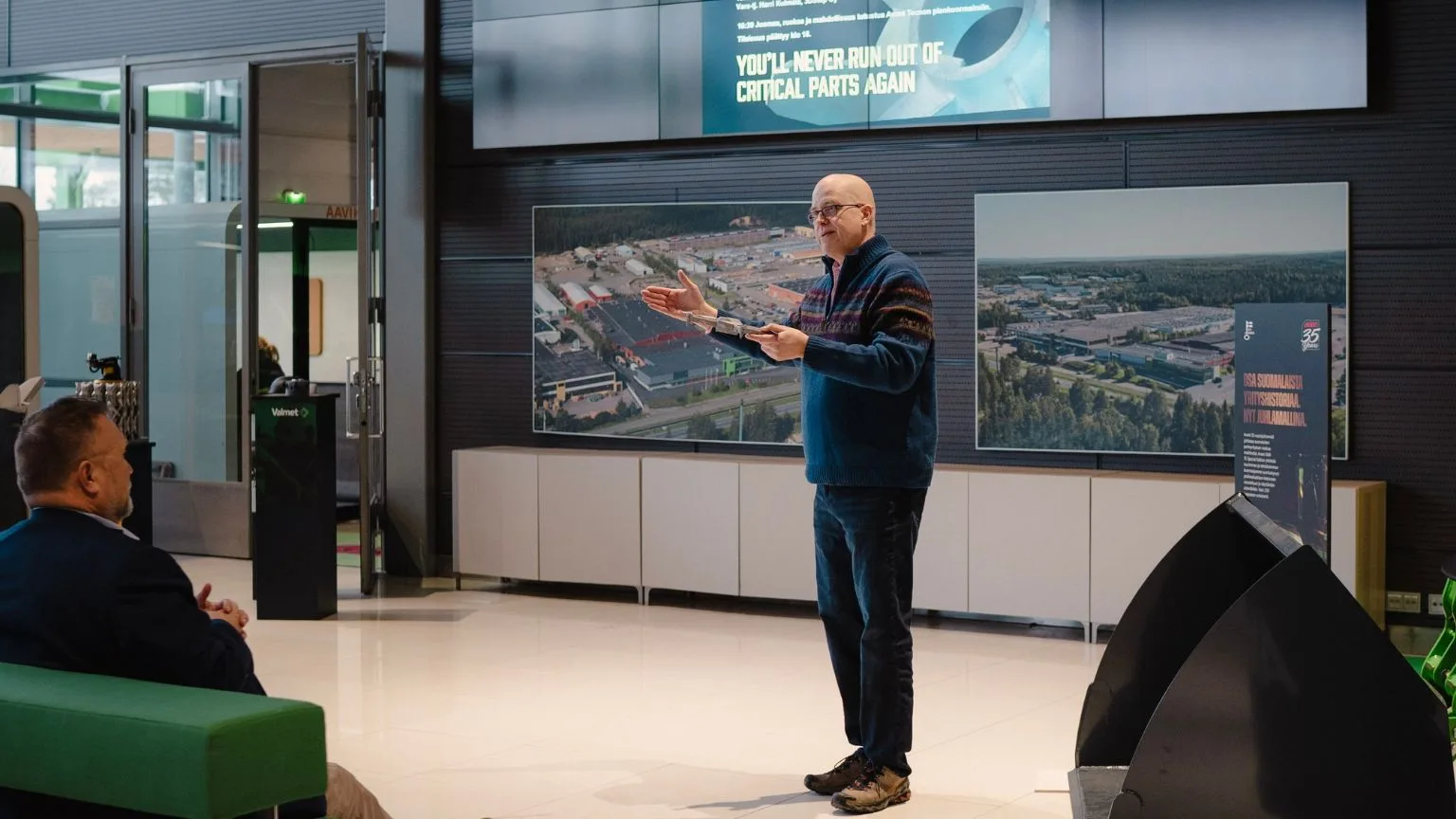
“We sell a service. We want to be the partner that means customers don’t have to worry about running out of critical parts,” CEO Petri Pitkänen said in his opening address.
Our goal is to grow 3DStep’s revenue tenfold in the coming years. At the same time, we want to help our customers develop their products, work faster and keep their production running.
The seminar’s talks looked at the growth of industrial companies from many angles. One message came up repeatedly: growth calls for new ways of working, investment and the courage to make use of what technology makes possible.
Speed has become a key competitive factor
Janne Viinikkala, who spoke about the logic and necessity of growth, challenged the audience to consider how companies could shorten the time each stage of their operations takes. Product development cycles are shrinking from years to months and even weeks, as the competitiveness of Chinese manufacturers shows.
Viinikkala encouraged looking at the entire chain, from tendering and ordering to design, procurement, production and delivery. What would need to change at each stage to cut the time it takes to, say, a tenth of what it is today?
Speed also played a central role in the growth story of Leguan Lifts. Juuso Valtakari described how the company has built international growth by listening to end users and dealers, renewing its product range and developing its distribution network.
3DStep has supported Leguan Lifts’ product development for years. With industrial 3D printing, Leguan Lifts can quickly test different components and take customer feedback through design into production. At best, a component is ready for testing the following day.
Building the conditions for growth ahead of time
AGCO Power CEO Juha Tervala named automation, long-term product development and continuous improvement in quality and productivity among the conditions for growth.
The company aims to do as much of its product development as possible virtually before a physical prototype is built. Industrial 3D printing is an established part of its product development and has also been used to manufacture spare parts for older engines.
Tervala praised Finland’s strong network of universities and stressed the value of investing in people, skills and production capacity well in advance, so that a company is ready when demand grows. This idea is also central to 3DStep’s growth strategy.
Industrial 3D printing is establishing its place in serial production
Sini Metsä-Kortelainen, Ecosystem Director of DIMECC‘s FAME ecosystem, outlined how the international industrial 3D printing market is developing. She noted that in recent years the strongest growth in the sector has been in 3D printing services, the kind 3DStep provides.
According to Metsä-Kortelainen, the next phase for the sector is companies adopting the technology as standard practice and serial production becoming more common. A part does not need an exceptionally complex structure for 3D printing to make business sense.
She also sees significant opportunities in Nordic cooperation. Each Nordic country has its own industrial base and complementary expertise, and bringing these together can speed up the development of the whole sector.
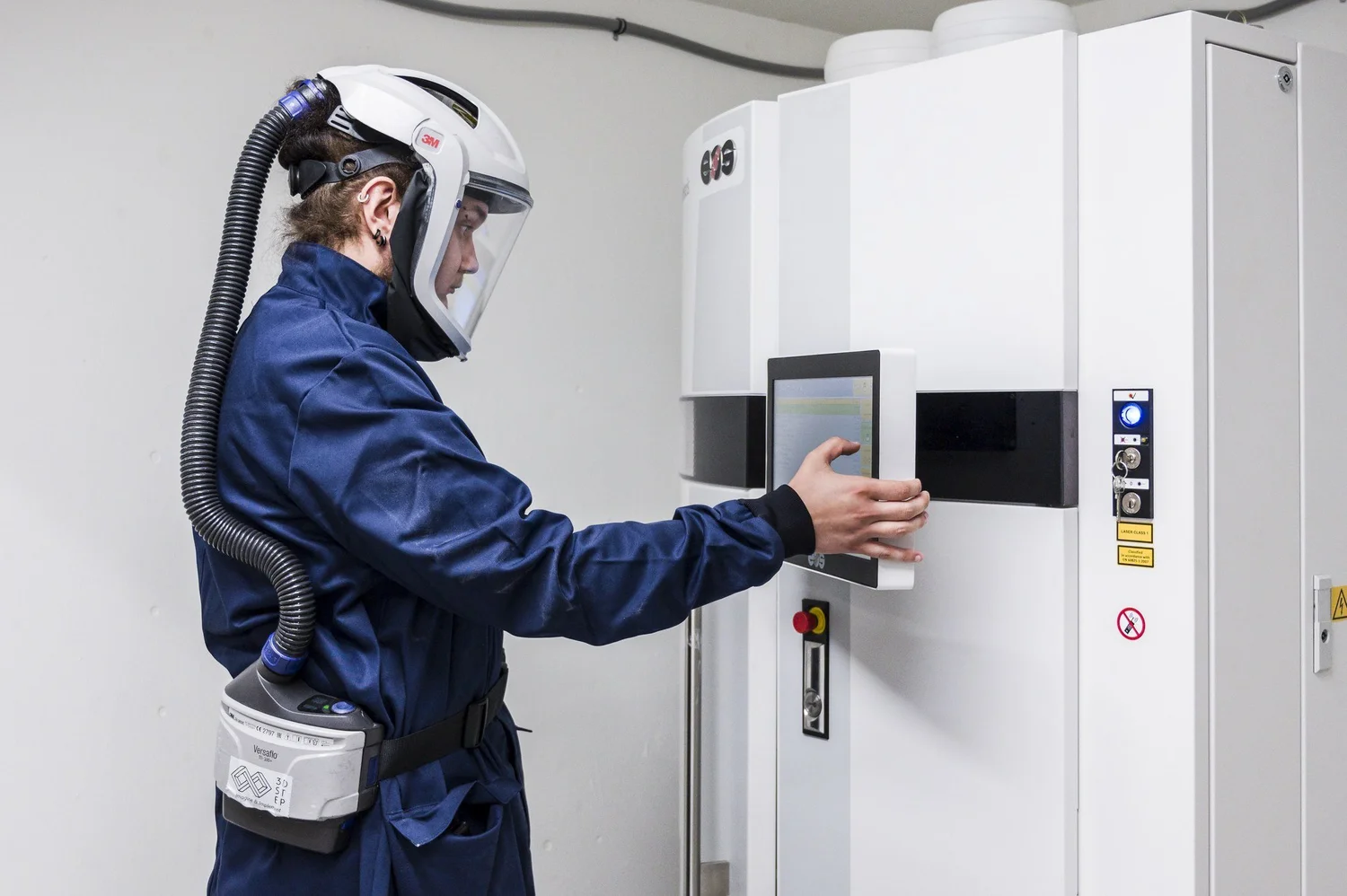
Professor Antti Salminen of the University of Turku illustrated the technological possibilities of industrial 3D printing. Powder bed technologies, for example, can produce precise and complex parts, optimise structures, reduce product weight and use raw materials efficiently.
Valmet’s Jukka Pakkanen explained how a global industrial company uses 3D printing in product development, in end-part manufacturing and in maintaining machines and equipment that have been in service for many years. He emphasised the importance of skilled subcontractors and partner networks, and thanked 3DStep for its long-term work in developing the field in Finland.
In future, customers can buy production capacity
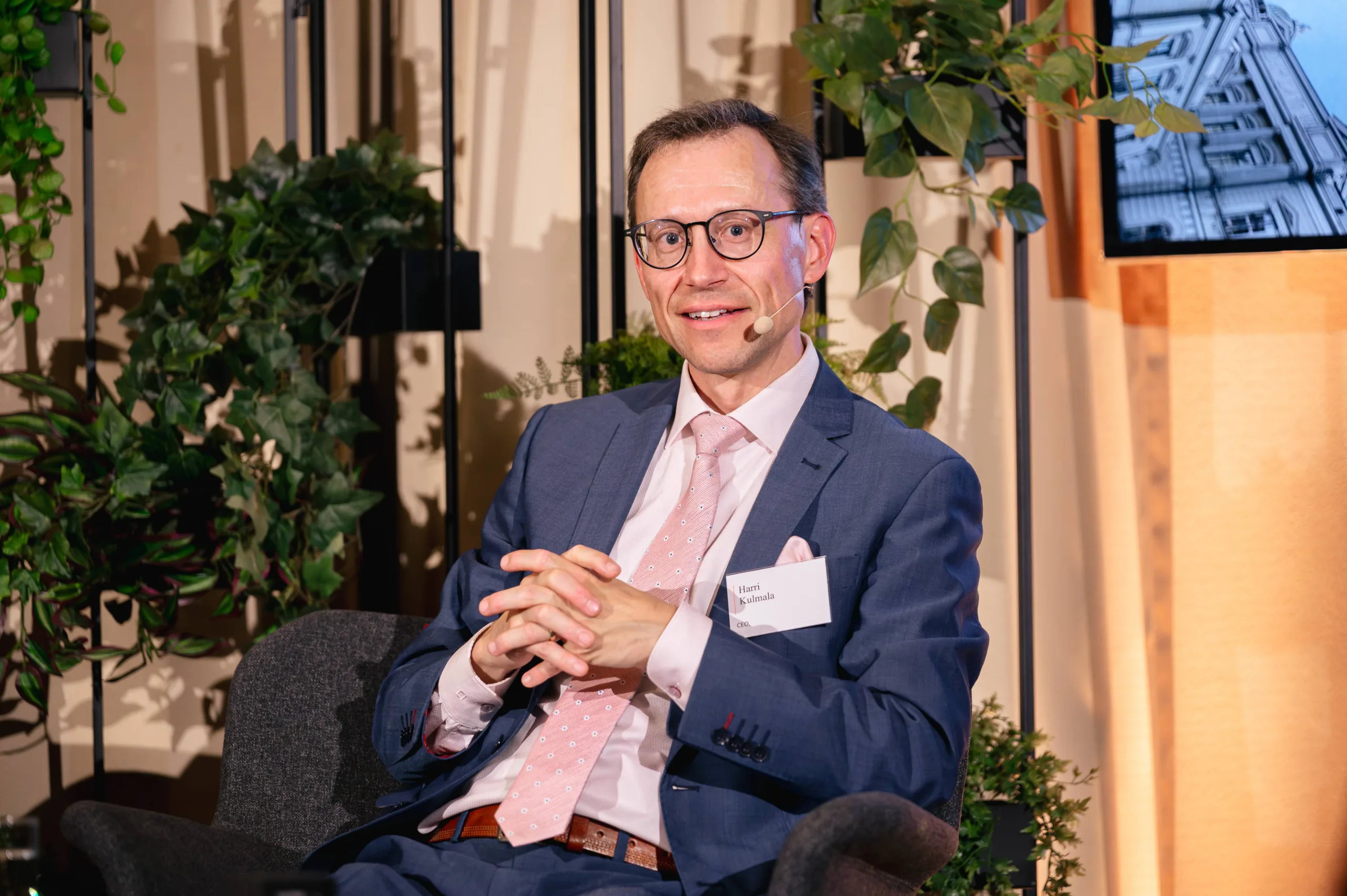
In the closing talk, 3DStep’s Deputy CEO Harri Kulmala looked ahead to autonomous production and new partnership models.
Advances in automation and artificial intelligence are making increasingly self-directed production possible. According to Kulmala, AI can both speed up work and improve the quality and consistency of results.
The way industrial companies source components and manufacturing services is changing at the same time. Kulmala presented the idea of a partnership model in which a customer buys production capacity from 3DStep for a monthly fee and uses it as needed, for example for design or for metal and polymer printing. Such a model could reduce the time spent on individual purchases and make costs more predictable.
One of 3DStep’s key goals is to give customers insurance-like certainty over the availability of critical parts. Kulmala shared the example of a customer who needed a spare part for a compressor, but the supplier of the original part was unknown. 3DStep manufactured a replacement for the broken part in less than three days, and the customer had the machine back in operation.
Technological change is an opportunity for Finland
To close the seminar, Member of Parliament and former Minister of Employment Arto Satonen spoke about what technological development means for Finland’s economy and working life.
Satonen pointed out that the nature of work has always changed with new technologies. Today, everyone needs to learn to use AI in their own work, and Finland must at the same time make sure people have opportunities to retrain. He sees significant potential in AI to improve productivity and reduce the deficit in Finland’s public finances.
Satonen thanked 3DStep for its work supporting the success of industrial companies in Pirkanmaa and across Finland.
Thank you to all speakers and participants for the insightful talks and conversations. It was great to celebrate 3DStep’s first ten years by looking to the future together.